When Should You Visit a Neurosurgeon in Irving, TX?

July 10, 2025

If you’re dealing with persistent headaches, numbness, or unexplained seizures, you might be wondering when it’s time to see a neurosurgeon in Irving, TX. These symptoms can signal serious neurological issues that require expert care. Knowing the right moment to consult a specialist can make all the difference in your recovery and long-term health. This blog will guide you through the common signs that indicate it’s time to visit a neurology surgeon and how early intervention can protect your well-being. At North Texas Neuroscience and Sleep Center, PA, experienced neurosurgeons are ready to provide the advanced care you need.

Identifying Symptoms That Require a Neurosurgeon’s Expertise


Knowing when to see a neurosurgeon can be confusing, especially when symptoms mimic more common or less severe conditions. But ignoring the early warning signs of a neurological issue can lead to serious and even permanent complications. Understanding what to watch for can help you take action before problems escalate. Here are some key symptoms that may signal it’s time to consult a neurology surgeon:

  • Persistent headaches that don’t respond to rest, hydration, or over-the-counter medication.
  • Seizures or unexplained episodes of confusion, memory lapses, or loss of consciousness.
  • Numbness, tingling, or weakness in your arms, legs, or face—especially if it's one-sided.
  • Balance or coordination problems that affect your ability to walk, drive, or perform daily tasks.
  • Chronic neck or back pain, particularly when accompanied by radiating pain, weakness, or mobility issues.

 These symptoms may point to serious underlying conditions such as brain tumors, spinal disorders, nerve compression, or other neurological dysfunctions. Consulting a neurology surgeon promptly allows for accurate diagnosis and early intervention, greatly improving your chances of effective treatment and long-term wellness. Don’t dismiss these signs; your health depends on listening to your body and acting quickly.

When It’s Time to Move Past Non-Surgical Treatments


While many neurological conditions can be managed with conservative treatments like medication, physical therapy, and lifestyle changes, these methods aren’t always enough. If you’ve been following a non-surgical care plan with little to no relief, or if your symptoms are progressing, it may be time to consult a neurosurgeon in Irving, TX. Conditions such as herniated discs, spinal stenosis, brain tumors, and traumatic brain or spine injuries often demand more advanced intervention to halt further damage and restore functionality.

Continuing to rely on ineffective treatments can allow neurological issues to worsen, increasing the risk of permanent nerve damage, disability, or loss of independence. That’s why it’s crucial to know when to escalate your care. A skilled neurology surgeon in Irving, TX, can determine whether surgery is appropriate and, if so, recommend the safest and most effective techniques available. With modern, minimally invasive procedures, patients can often experience shorter hospital stays, reduced recovery times, and better long-term results.
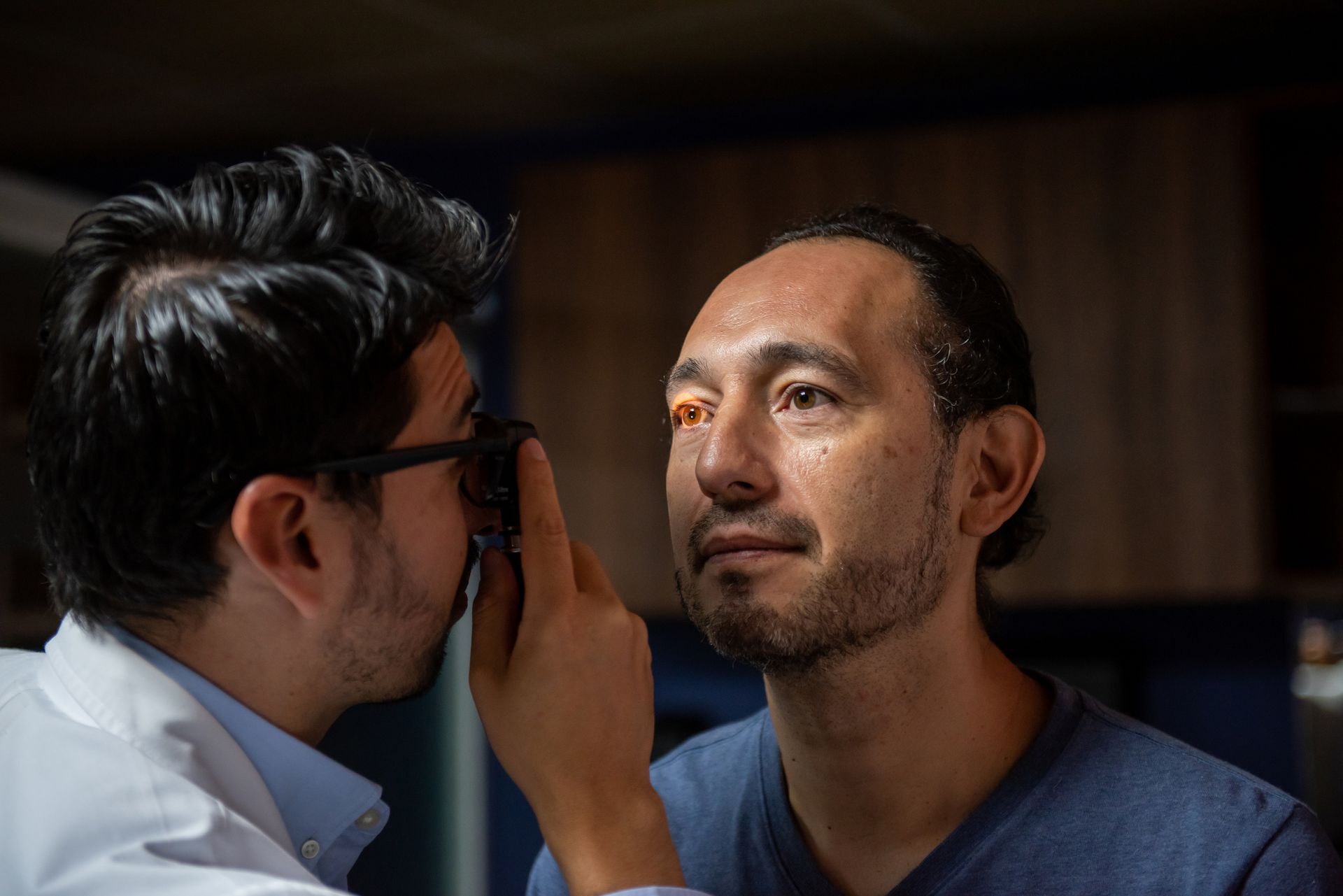
A neurosurgeon is checking the eye of a patient.

The Power of Timely Treatment by an Experienced Neurology Surgeon


When it comes to neurological health, time is more than just valuable—it can be life-changing. Early diagnosis and prompt treatment can significantly improve outcomes and reduce the risk of long-term complications. A highly trained neurosurgeon brings the precision and insight needed to navigate the complexities of the brain, spine, and nervous system, using state-of-the-art diagnostic tools like MRIs, CT scans, and nerve conduction studies to uncover the source of your symptoms.

Whether you're experiencing unexplained numbness, persistent headaches, or changes in balance or coordination, seeking expert care early can help prevent severe consequences such as chronic pain, cognitive decline, or even permanent paralysis. Timely intervention not only leads to faster relief but also preserves your independence, mobility, and overall quality of life. Don’t wait for symptoms to worsen—trust an experienced professional to provide the care you need when it matters most.

From Diagnosis to Recovery: Expert Neurosurgical Support in Irving, TX


Choosing the right neurosurgeon in Irving, TX, means entrusting your care to a team with proven expertise and compassionate support. North Texas Neuroscience and Sleep Center, PA, offers state-of-the-art diagnostic services, including MRI, CT scans, and nerve conduction studies, to ensure accurate diagnoses.

Our neurology surgeon in Irving, TX, is highly trained in the latest surgical techniques for brain, spine, and nerve conditions. From minimally invasive spine surgery to complex tumor removal, we provide personalized treatment plans tailored to your unique needs. Beyond surgery, our team supports you with comprehensive neurological and sleep disorder care, ensuring a holistic approach to your well-being.

Your Path to Relief Starts With Expert Neurosurgical Care


Early evaluation by a qualified neurosurgeon in Irving, TX, can make all the difference in preventing long-term complications and preserving your quality of life. Whether non-surgical treatments have failed or you're unsure what’s causing your symptoms, a skilled neurology surgeon can provide the answers and care you need. Take the next step toward relief and recovery—schedule a consultation with North Texas Neuroscience and Sleep Center, PA, for a comprehensive neurological evaluation.


By Ruth Manon Perez August 26, 2026
Choosing a neurologist vs. a neurosurgeon is one of the most common questions patients face after a new diagnosis or a referral from their primary care doctor. Understanding the difference can help patients in Irving, TX, get to the right specialist faster and avoid unnecessary delays in care. If you have recently been told you need a neurology surgeon in Irving, this guide explains exactly what each specialist does and when you may need one over the other. Patients searching for a neurology surgeon in Irving often are unsure where to begin, and this resource is designed to help. What Is the Difference Between a Neurologist and a Neurosurgeon? A neurologist and a neurosurgeon both treat conditions of the nervous system, but their approaches are very different. A neurologist is a physician who diagnoses and manages neurological disorders using non-surgical methods. A neurosurgeon, by contrast, is a specialist trained to perform surgery on the brain, spine, and nerves. Think of it this way: a neurologist is often the first specialist you see after a referral from your primary care doctor. They evaluate symptoms, order diagnostic tests, and develop treatment plans. If surgery becomes necessary, they may refer you to a neurosurgeon. What Does a Neurologist Treat? Neurologists typically manage conditions that respond to medication, therapy, lifestyle changes, or advanced diagnostics. Common conditions include: ▸ Multiple sclerosis (MS), which can affect mobility and coordination. ▸ Epilepsy and recurring seizures. ▸ Migraine headaches and other chronic headache disorders. ▸ Dementia and memory-related conditions. ▸ Movement disorders such as Parkinson's disease. ▸ Sleep disorders like narcolepsy and sleep apnea. ▸ Neuromuscular diseases affecting the muscles and peripheral nerves. Neurologists use tools like EEGs (electroencephalograms), EMGs (electromyography), and cognitive testing to reach an accurate diagnosis before recommending a treatment path. What Does a Neurosurgeon Treat? A neurosurgeon steps in when a condition requires a surgical solution. Common reasons a patient may be referred to a neurosurgeon include: ▸ Herniated discs or spinal stenosis causing significant nerve compression. ▸ Brain tumors or spinal tumors. ▸ Traumatic brain or spinal cord injuries. ▸ Severe carpal tunnel syndrome or other nerve entrapment conditions. ▸ Aneurysms or arteriovenous malformations (AVMs). It is worth noting that neurosurgeons do not always perform surgery. Many patients see a neurosurgeon for a consultation and end up managed without an operation, using injections, physical therapy, or imaging-guided procedures instead. When Should You See a Neurologist First? In most cases, seeing a neurologist first is the right step. Neurologists can rule out conditions that do not need surgery and connect patients with the most effective non-invasive treatments. Many insurance plans, including HMOs common in the Dallas-Fort Worth area, require a referral from a primary care physician before you can see a specialist. If your symptoms include persistent headaches, memory loss, numbness, tremors, seizures, or unexplained fatigue, a neurologist is typically your starting point. They may then refer you to a neurology surgeon in Irving if imaging or testing reveals a structural problem that surgery could fix. Irving and the DFW Region: Why Specialty Neurology Access Matters Irving, TX, sits at the heart of the DFW Metroplex, bordered by communities like Las Colinas, Coppell, Grand Prairie, and Carrollton. The region's rapid growth has brought a rising demand for specialized neurological care. Conditions like MS, sleep disorders, and movement disorders are being diagnosed more frequently across North Texas, driven in part by an aging population and expanded awareness of neurological health. Patients in Irving and the surrounding Las Colinas corridor may have access to several major hospital systems nearby, but finding a dedicated outpatient neurology practice that offers both comprehensive diagnostics and coordinated care can make a meaningful difference. Access to services like sleep studies, infusion therapy, EEGs, and EMGs under one roof reduces the burden of managing a complex condition across multiple facilities. When determining whether a neurology surgeon in Irving is the right referral, having all diagnostic records in one place also speeds up the evaluation process considerably. Conditions That May Require Both Specialists Some neurological conditions may require coordinated care between a neurologist and a neurosurgeon. Spinal cord disorders, for example, may begin with neurological management and later require surgical intervention if the condition progresses. Epilepsy that does not respond to medication may eventually be evaluated for surgical options. In these cases, your care team may include a neurology surgeon in Irving working alongside your neurologist to determine the safest and most effective course of action. In these situations, the neurologist typically remains the primary care coordinator, keeping track of medication, symptom changes, and overall quality of life. The neurosurgeon focuses on the specific structural issue requiring an operation. Does a Neurologist Perform Surgery? No. Neurologists do not perform surgery. Their role is diagnosis, medical management, and long-term monitoring of neurological conditions. If surgery is needed, they coordinate a referral to a qualified neurosurgeon. Can a Neurosurgeon Manage My Condition Without Surgery? Yes, in many cases. A neurosurgeon may recommend conservative treatment first, especially if symptoms are manageable or if the risks of surgery outweigh the benefits at a given stage of the condition. Take the Next Step With Expert Neurological Care in Irving Understanding which specialist you need is the first step toward real answers and lasting relief. North Texas Neuroscience and Sleep Center, PA, serves the Irving, TX, community with comprehensive neurological care that includes advanced diagnostics, treatment for MS, sleep disorders, seizures, movement disorders, and more. Their team of fellowship-trained neurologists can evaluate your condition and help determine whether a neurology surgeon in Irving or ongoing neurological management is the right path for your care. Call (972) 869-3448 to schedule your appointment, or contact the team online . You can also learn more about available neurological services to find the right care for your needs.
Medical professionals reviewing brain X-rays on a lightboard in a clinical setting.
July 21, 2026
A neuro surgeon in Irving, TX can help connect sleep disorders to neurological conditions. Call North Texas Neuroscience and Sleep Center, PA today.
March 17, 2026
Discover what to expect at your first neurosurgeon consult in Irving, TX. Learn key prep tips with North Texas Neuroscience and Sleep Center, P.A. Book now!
Doctor using tablet in hospital hallway, showcasing digital healthcare technology and innovation.
October 29, 2025
North Texas Neuroscience and Sleep Center in Irving, TX, offers expert care with a neurology surgeon. Visit our website for more info.